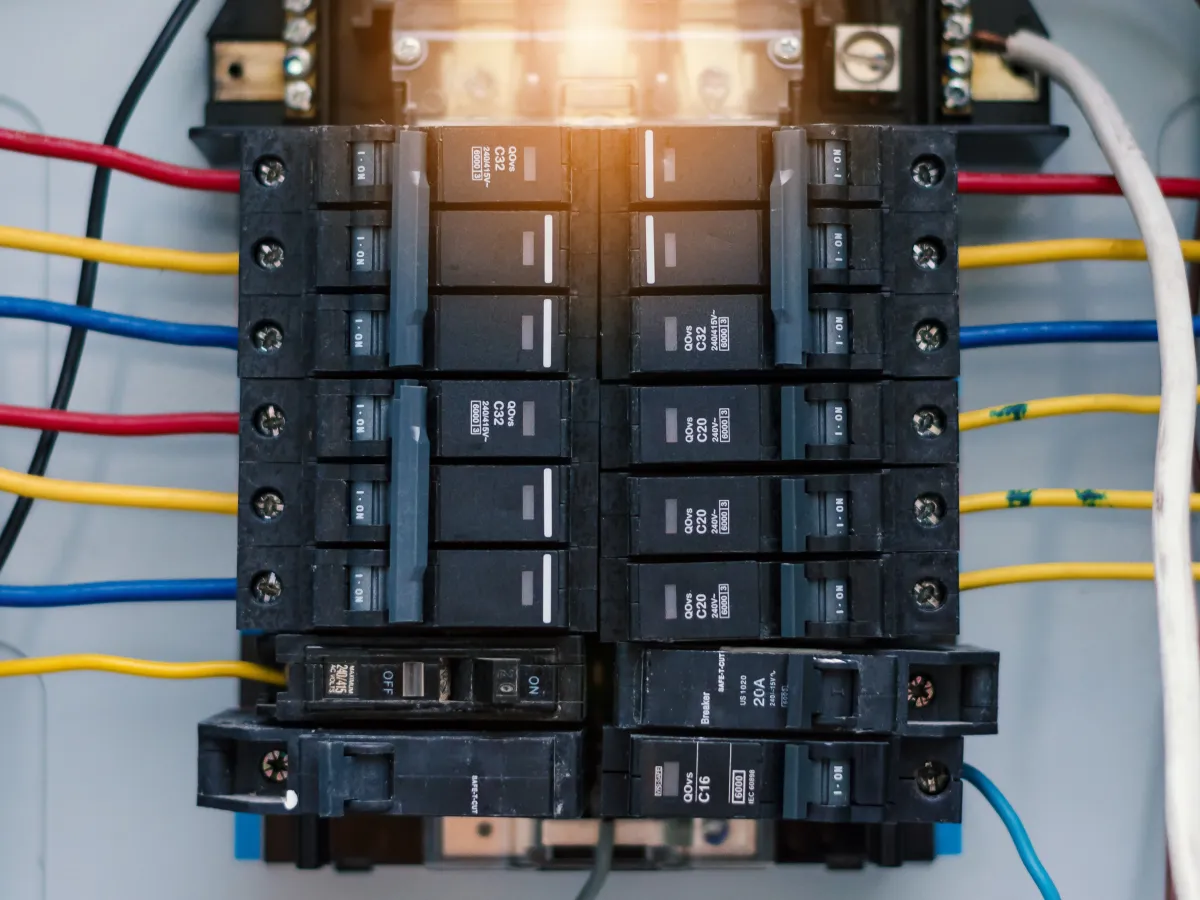
Overloading Circuits and Ignoring Load Calculations
One of the most dangerous mistakes homeowners make involves plugging too many devices into a single circuit without understanding its capacity. Every circuit in your home is designed to handle a specific electrical load, measured in amperes. When you exceed that limit, you risk overheating wires, damaging appliances, and potentially starting a fire.Many people assume that as long as they have enough outlet spaces, they can plug in whatever they want. This misunderstanding becomes particularly problematic during winter months in the Pacific Northwest, when space heaters and additional lighting increase demand on home electrical systems. A standard 15-amp circuit can only safely handle about 1,800 watts, yet a single space heater often draws 1,500 watts on its own.The consequences of overloading circuits extend beyond immediate safety concerns. Repeatedly tripping breakers weakens your electrical panel over time, and sustained overloads can degrade wire insulation inside your walls. This hidden damage may not become apparent until you experience complete circuit failure or discover melted wiring during a renovation project.Attempting to solve this problem by installing a higher-rated breaker without upgrading the corresponding wiring creates an even more dangerous situation. The breaker exists to protect the wire, not just the devices you plug in. When the breaker rating exceeds the wire’s capacity, the wire becomes the weak link that fails first, often inside walls where you cannot see smoke or fire until significant damage occurs.Professional load calculations take into account not only your current needs but also how you actually use your space. An experienced electrician considers factors like simultaneous usage patterns, seasonal variations, and future expansion plans. This comprehensive approach prevents both immediate hazards and long-term problems that might cost thousands to repair.
Working with Live Wires Without Proper Shutoffs
The temptation to skip the trip to your electrical panel before working on outlets, switches, or fixtures leads to hundreds of preventable injuries every year. Many homeowners believe they can safely work around electricity by simply turning off a light switch or being careful not to touch certain wires. This approach reflects a fundamental misunderstanding of how electricity works and the multiple paths it can take through your body to reach the ground.Electricity does not pause or wait for you to move your hand away. The moment you create a path between an energized wire and ground, current flows instantly. Your body’s resistance means that even standard household voltage can cause your muscles to contract involuntarily, making it impossible to let go of the wire you have grabbed. This phenomenon, called tetanic contraction, explains why electrical injuries often appear more severe than the initial shock would suggest.Identifying the correct breaker presents its own challenges in many homes. Unlabeled or incorrectly labeled panels are common, especially in older properties or homes that have undergone multiple renovations. Testing with a voltage meter after shutting off what you think is the right breaker is not optional, it is a necessary safety step that professionals never skip.The condition of wiring in Pacific Northwest homes built before 1980 adds another layer of risk. These properties may contain outdated systems that do not respond predictably to standard safety procedures. Aluminum wiring, for example, requires special handling techniques that differ from copper wire approaches. Knob and tube wiring, still present in some older Puyallup neighborhoods, should never be modified by anyone without specialized training.Beyond personal safety, working on live circuits often results in equipment damage. A slipped screwdriver can create a short circuit that destroys not only the device you were working on but also sends a surge through other connected electronics. The cost of replacing a computer, television, and other sensitive equipment quickly exceeds what you would have spent on professional installation in the first place.
Incorrect Wire Connections and Sizing Errors
Wire connections represent critical points in your electrical system where proper technique makes the difference between decades of safe operation and imminent failure. Many DIY attempts fail at these connections because homeowners lack the tools, knowledge, or attention to detail that proper installation requires. A connection that looks secure may actually be loose, creating resistance that generates heat every time current flows through it.Wire nuts, the cone-shaped connectors used to join wires together, seem simple but require specific techniques to install correctly. The wires must be twisted together properly before the nut goes on, not simply held parallel and covered. Inadequate twisting means the connection relies entirely on the spring inside the wire nut, which may not provide sufficient contact pressure. Over time, thermal expansion and contraction can loosen these inadequate connections even further.Selecting the correct wire gauge for a particular application involves understanding the relationship between wire thickness, current capacity, and circuit length. Thinner wire costs less and bends more easily, making it tempting to use undersized conductors. However, undersized wire heats up excessively under normal loads, degrading the insulation and creating fire hazards. This problem often remains hidden inside walls until a failure occurs.The type of wire matters just as much as its size. Using indoor-rated wire for outdoor applications exposes the conductors to moisture and temperature extremes they were never designed to handle. Similarly, running standard Romex cable inside conduit in areas where code requires individual THHN conductors creates both legal and safety issues. These distinctions are not arbitrary bureaucratic requirements, they reflect real-world failure modes that code authorities have documented over decades.Aluminum and copper wires expand at different rates when heated, meaning connections between dissimilar metals require special connectors rated for that purpose. Using a standard wire nut on an aluminum-to-copper connection creates a junction that loosens over time, increases resistance, generates heat, and eventually fails. The purple wire nuts specifically designed for these connections cost only slightly more than standard ones, yet many DIY attempts skip this crucial detail.Ground wire connections receive less attention than hot and neutral wires, but they serve a critical safety function. A proper ground provides a low-resistance path for fault current, ensuring that breakers trip quickly when something goes wrong. Loose ground connections or grounds that rely on metal conduit contact instead of dedicated wires may work fine under normal conditions but fail precisely when you need them most during a fault condition.
Ignoring Moisture Protection and Weather Resistance Requirements
Water and electricity create a lethal combination that demands special attention in any location exposed to moisture. The Pacific Northwest climate presents particular challenges, with frequent rain, high humidity, and morning condensation creating conditions where standard indoor electrical components fail rapidly. Outdoor outlets, bathroom fixtures, and garage installations all require specific weather-resistant products and installation techniques that differ significantly from interior work.Ground Fault Circuit Interrupter outlets, commonly called GFCI outlets, detect tiny imbalances between hot and neutral current that indicate electricity is taking an unintended path, possibly through water or through a person. These devices trip in milliseconds, fast enough to prevent most serious injuries. Code requires GFCI protection in bathrooms, kitchens, garages, outdoors, and other locations where water contact is possible. Yet many DIY installations either skip GFCI protection entirely or install it incorrectly so it fails to protect downstream outlets.Weather-resistant outdoor outlets look similar to indoor versions but include gaskets, corrosion-resistant contacts, and covers designed to shed water even when cords are plugged in. Using an indoor outlet with a simple plastic cover plate outdoors might work for a few months, but moisture eventually penetrates the connection points. Corrosion increases resistance, which generates heat, which accelerates further corrosion in a cycle that ends with complete failure or fire.The covers for outdoor outlets and switches must be weatherproof, not just weather-resistant. This distinction matters more than it might seem. Weather-resistant covers protect empty outlets but often have openings that expose energized components when cords are plugged in. Weatherproof covers, sometimes called in-use covers, have spring-loaded lids that close over plugged-in cords, maintaining protection regardless of how you use the outlet.Lighting fixtures installed under eaves or on covered porches exist in a gray area that confuses many homeowners. These locations are not fully exposed to rain, but they still accumulate moisture from humidity and wind-blown precipitation. Using fixtures rated for damp locations rather than dry-only models prevents corrosion and extends the life of your installation. The rating appears on a label inside the fixture and on its packaging, but you must actively look for this information since the fixtures otherwise appear identical.Basements and crawl spaces present moisture challenges similar to outdoor installations despite being inside your home. Poor ventilation, seasonal flooding, and contact with cool concrete all create conditions where standard electrical components corrode prematurely. Proper installation in these areas requires vapor barriers behind outlets, sealed junction boxes, and sometimes PVC conduit to protect wiring from direct moisture contact.
Failing to Obtain Permits and Meet Code Requirements
The permit process exists to ensure that electrical work meets minimum safety standards developed over more than a century of hard-won experience. Many homeowners view permits as bureaucratic obstacles rather than the safety nets they actually are. This attitude leads to unpermitted work that may function adequately for years before a hidden deficiency causes catastrophic failure. The financial consequences extend beyond immediate repair costs to include difficulty selling your home, liability for injuries, and potential insurance claim denials.Electrical codes are not simple checklists but rather complex documents that reflect deep understanding of how electrical systems fail. The National Electrical Code updates every three years to incorporate new research, emerging technologies, and lessons learned from accidents. Local jurisdictions adopt these national standards with amendments that address region-specific concerns. In the Pacific Northwest, for example, local codes include provisions for seismic safety that do not appear in jurisdictions without earthquake risk.Home inspections during real estate transactions routinely identify unpermitted electrical work. The discovery creates negotiation leverage for buyers, who rightfully worry about what other shortcuts the seller may have taken. Sellers often find themselves paying for professional electricians to evaluate the unpermitted work, make necessary corrections, obtain retroactive permits when possible, and provide documentation that satisfies the buyer’s lender. This process typically costs several times what proper permitted installation would have cost originally.Insurance companies investigate the cause of electrical fires carefully, looking for any reason to deny or reduce claims. Unpermitted work provides exactly the justification they need. Policy language typically excludes coverage for damage resulting from work that violated building codes or permit requirements. Even if the unpermitted work did not directly cause the fire, its presence may void your coverage entirely. The financial impact of losing your home with no insurance payout is devastating.The complexity of modern electrical codes exceeds what most homeowners can learn through internet research. Requirements vary based on factors like wire type, location within the home, circuit purpose, building construction, and proximity to other utilities. Details like minimum box fill calculations, derating factors for bundled cables, and specific torque requirements for terminal connections all affect safety but remain invisible in the finished installation. Inspectors verify these hidden details during rough-in inspections, before walls close and evidence disappears.When it comes to maintaining the safety and functionality of your home’s electrical system, attempting DIY repairs for anything beyond the most basic tasks introduces risks that far outweigh potential savings. Professionals bring not only technical knowledge but also proper insurance, specialized tools, and accountability for their work. Licensed electricians stay current with code changes, understand local requirements, and know which installation methods prove most reliable in real-world conditions. For residents throughout the Puyallup area, working with qualified professionals means your electrical work gets done right the first time, passes inspection without delays, and provides safe reliable service for decades. Whether you need a single outlet added or complete panel replacement, professional installation protects your investment and gives you confidence that your electrical system meets current safety standards.